
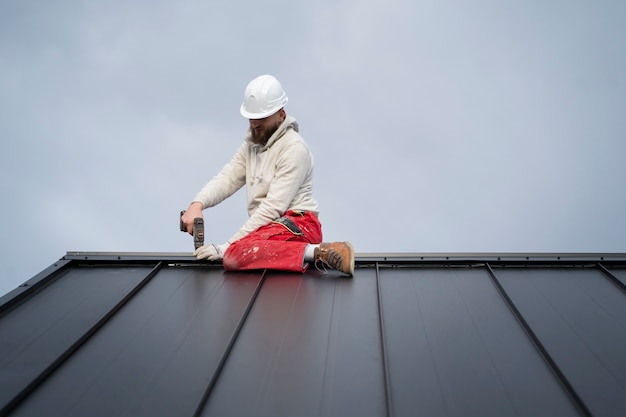
A residential roof inspection is a critical component of home maintenance that ensures the longevity and integrity of a home. It involves a thorough examination of the roof structure to identify potential issues that could lead to costly repairs or replacements. Regular inspections can help homeowners maintain their roof’s health and safeguard their investment. This guide provides a comprehensive overview of the process, highlighting essential aspects that homeowners need to consider.
Why Regular Roof Inspections are Essential
Regular roof inspections can prevent minor issues from escalating into significant problems. By identifying and addressing vulnerabilities early, homeowners can avoid:
- Expensive repair costs due to severe damage.
- Structural deterioration that might compromise safety.
- Potential energy inefficiencies resulting from poor insulation.
For those interested in more detailed strategies on maintaining roof health, explore advanced guides and tips.
Key Components of a Roof Inspection
A typical roof inspection includes an assessment of several critical components:
Exterior Roof Inspection
- Shingles: Check for missing, broken, or curling shingles.
- Flashing: Ensure flashing around chimneys, vents, and skylights is intact.
- Gutters: Inspect for blockages and ensure proper water flow.
Interior Roof Inspection
- Attic: Look for signs of water damage or leaks.
- Insulation: Assess the condition of insulation for efficiency.
- Ventilation: Ensure adequate airflow to prevent moisture buildup.
For those seeking tailored solutions to specific issues encountered during inspections, learn about our tailored solutions.
When to Schedule a Roof Inspection
Timing is crucial for effective roof maintenance. Consider scheduling inspections:
- Before severe weather seasons, such as winter or hurricane season.
- After a major storm to assess any immediate damage.
- When purchasing a new home to ensure the roof’s condition.
For more insights into timing and frequency, find out more about this approach.
DIY vs. Professional Roof Inspections
While some homeowners may attempt DIY inspections, professional inspections provide:
- Expertise: Trained professionals can identify subtle issues that may be overlooked.
- Safety: Professionals have the necessary equipment and experience to conduct inspections safely.
- Comprehensive Reports: Detailed analyses that can help in making informed decisions.
Those interested in understanding the advantages of professional services can discover expert strategies here.
Conclusion
Regular residential roof inspections are vital for maintaining a home’s safety, efficiency, and value. By understanding the process and knowing when to schedule inspections, homeowners can protect their investment effectively. For further exploration of methods and techniques, explore advanced guides and tips.