
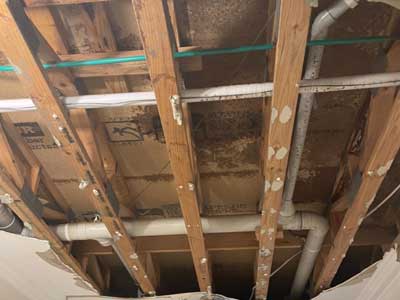
When water damage strikes, having the right tools for restoration is crucial to ensure that the affected area is returned to its pre-damaged state. The quality and efficiency of the equipment used directly impact the outcome of the restoration process. From industrial-grade dehumidifiers to high-powered extractors, each piece of equipment plays a critical role in mitigating further damage and accelerating recovery. Understanding the significance and application of these tools can make a difference between a successful restoration and prolonged damage. Discover expert strategies here to enhance your water damage response.
Essential Equipment for Effective Restoration
Dehumidifiers
Dehumidifiers are indispensable in the water damage restoration toolkit. They help remove excess moisture from the air, preventing mold growth and further structural damage. High-capacity dehumidifiers are capable of extracting large volumes of moisture, making them ideal for extensive water damage scenarios. Learn about our tailored solutions here to optimize your dehumidification process.
Water Extractors
Water extractors are designed to remove standing water quickly and efficiently. They come in various types, including:
- Submersible Pumps: Best for removing deep water flooding.
- Truck-Mounted Extractors: Offer powerful suction for large areas.
- Portable Extractors: Ideal for hard-to-reach spaces and smaller jobs.
Explore advanced guides and tips here to choose the right extractor for your needs.
Advanced Tools for Comprehensive Restoration
Air Movers
Air movers are critical for drying wet surfaces and circulating air. They speed up evaporation by producing a high-velocity airflow over the surface area. The use of air movers in conjunction with dehumidifiers can reduce drying time significantly, ensuring a faster restoration process. Find out more about this approach here.
Moisture Meters
Accurate moisture measurement is vital in assessing the extent of water damage and monitoring the drying process. Advanced moisture meters provide precise readings, allowing technicians to make informed decisions and adjust strategies as needed. These devices can detect moisture levels in various materials, ensuring comprehensive monitoring.
Thermal Imaging Cameras
Thermal imaging cameras are used to detect hidden water damage areas that are not visible to the naked eye. By capturing temperature variations, these cameras help identify moisture trapped within walls, ceilings, and floors, facilitating targeted interventions. Explore advanced guides and tips here to enhance your inspection capabilities.
Conclusion
The effectiveness of water damage restoration heavily relies on the quality of equipment used. Each tool, from dehumidifiers to thermal imaging cameras, serves a specific function in the restoration process. By employing high-quality equipment, the chances of achieving a successful restoration increase dramatically, minimizing damage and costs. For those seeking expertise in water damage restoration, Discover expert strategies here to gain a deeper understanding of the tools and techniques necessary for effective recovery.