
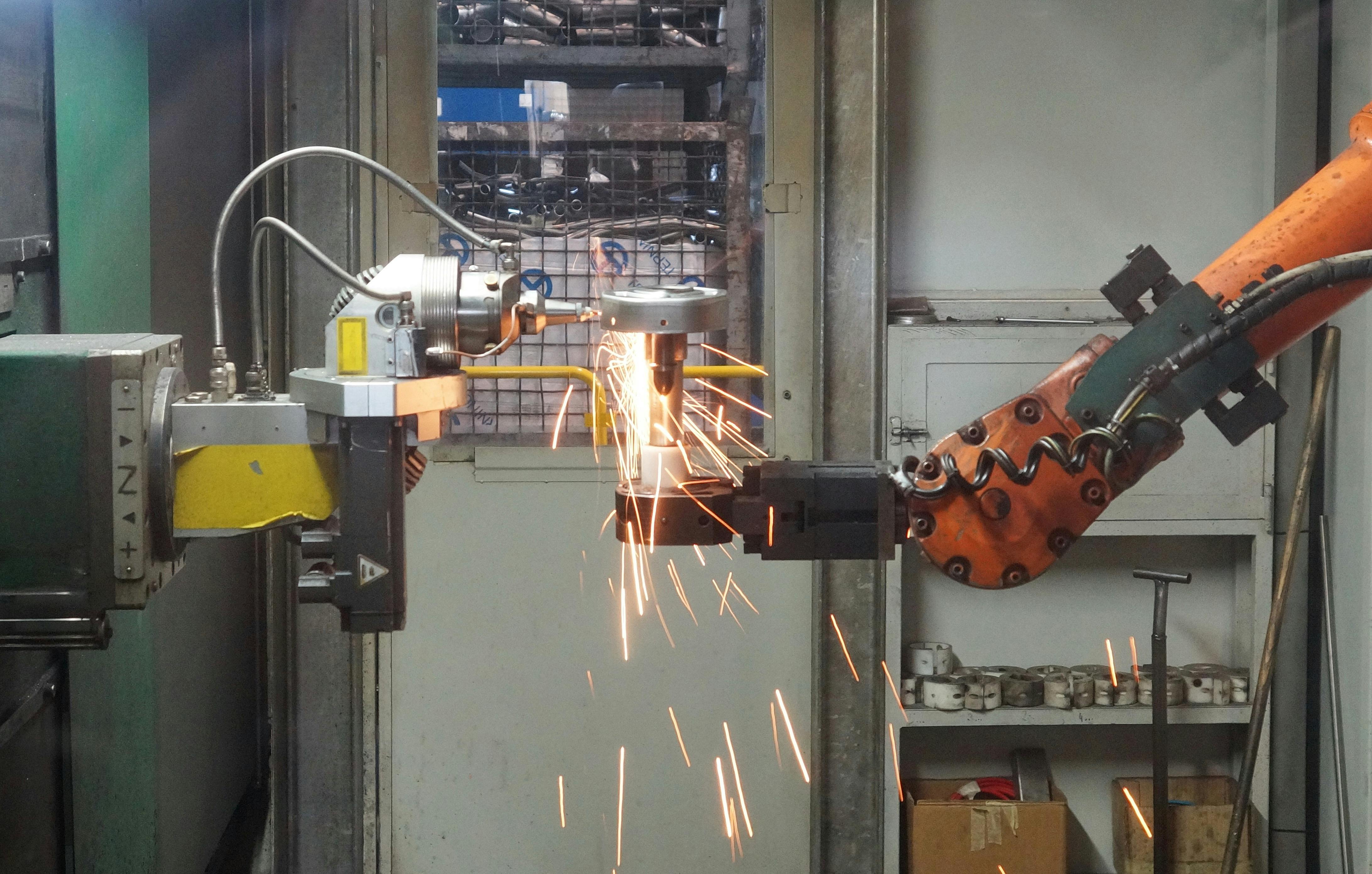
The integration of efficient control systems is a critical component for ensuring seamless operations across industries in New Zealand. As technology continues to evolve, the demand for sophisticated control systems that can enhance productivity and streamline processes is on the rise. Businesses are increasingly looking to integrate solutions that not only meet their current needs but also anticipate future challenges. This dynamic environment requires a deep understanding of both the technical and operational aspects of control systems, as well as a strategic approach to implementation.
Understanding Control Systems Integration
Control systems integration refers to the process of unifying various control systems to function as a cohesive unit. This process involves:
- Connecting disparate systems to enable efficient communication and data exchange.
- Ensuring compatibility and interoperability between different technologies and platforms.
- Implementing robust security measures to protect data integrity and prevent unauthorized access.
In the context of New Zealand’s diverse industrial landscape, effective control systems integration can lead to significant improvements in efficiency and productivity. By integrating systems, businesses can optimize operations, reduce downtime, and enhance overall performance. Discover expert strategies here.
Benefits of Efficient Integration
Operational Efficiency
A well-integrated control system enables streamlined operations by automating routine tasks and facilitating real-time decision-making. This leads to:
- Reduced manual intervention, minimizing human error.
- Faster response times to operational anomalies.
- Enhanced ability to scale operations as needed.
Cost Savings
By consolidating control systems, companies can achieve significant cost savings. These include:
- Lower energy consumption through optimized resource utilization.
- Decreased maintenance costs due to predictive maintenance strategies.
- Reduced need for extensive training, as systems become more intuitive and user-friendly.
To learn about tailored solutions that can achieve these benefits, explore advanced guides and tips.
Challenges and Considerations
While the benefits of control systems integration are clear, there are several challenges that businesses must consider:
- Ensuring data security and compliance with regulations.
- Managing the transition from legacy systems to modern integrated solutions.
- Aligning integration efforts with overall business objectives and strategies.
Addressing these challenges requires a strategic approach that includes thorough planning, stakeholder engagement, and continuous evaluation. Find out more about this approach.
Future Trends in Control Systems Integration
As industries in New Zealand continue to evolve, several trends are emerging in the field of control systems integration:
- Increased adoption of IoT and AI technologies to enhance system capabilities.
- Greater emphasis on sustainability and energy efficiency.
- Growing demand for real-time data analytics to drive informed decision-making.
By staying ahead of these trends, businesses can ensure that their control systems remain robust, adaptive, and capable of supporting future growth. Learn about our tailored solutions.
Efficient control systems integration is more than just a technical necessity; it is a strategic imperative for businesses aiming to maintain competitiveness in New Zealand’s ever-evolving industrial landscape. As technology continues to advance, the ability to integrate and optimize control systems effectively will be a key determinant of success.