
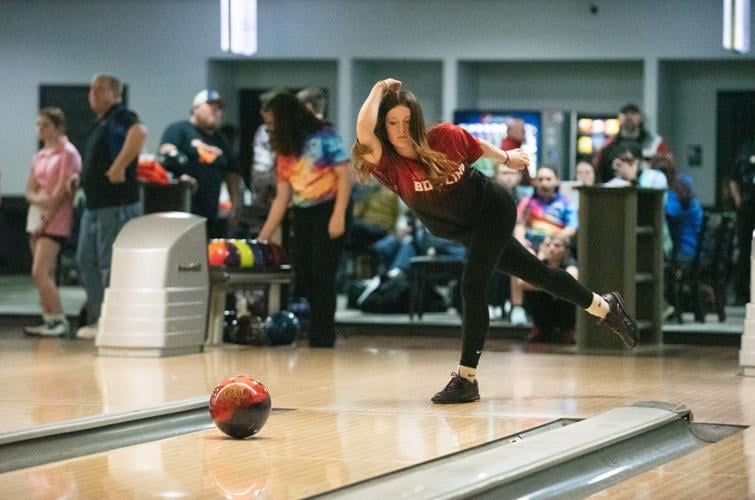
Youth bowling tournaments have grown into a dynamic platform for fostering camaraderie and enhancing skill development among young athletes. These tournaments not only provide a competitive environment but also encourage teamwork, discipline, and personal growth. As young bowlers gather from diverse backgrounds, they are united by their passion for the sport and the shared goal of improving their performance. This article delves into the structure of youth bowling tournaments, the benefits they offer, and how they contribute to the development of young athletes.
The Structure of Youth Bowling Tournaments
Youth bowling tournaments are meticulously organized to cater to different age groups and skill levels. Typically, they are segmented into various categories to ensure fair competition and to challenge the participants appropriately. These categories include:
- Age divisions, which allow bowlers to compete against peers of similar age.
- Skill-based divisions, designed to match bowlers with similar proficiency levels.
- Team and individual events, offering different formats to showcase talent.
Each tournament usually spans several days, encompassing preliminary rounds, semi-finals, and finals. This structure not only ensures a competitive environment but also provides ample opportunity for young athletes to adjust, learn, and excel. For more detailed information on the organization of these tournaments, consider exploring a comprehensive youth bowling tournament.
Benefits of Participating in Youth Bowling Tournaments
Engagement in youth bowling tournaments presents numerous benefits that extend beyond the lanes. These benefits are instrumental in shaping well-rounded individuals:
Skill Development
Participating in tournaments allows young athletes to hone their bowling skills in a competitive setting. They learn to:
- Enhance their technique through practice and feedback.
- Develop strategic thinking by adapting to different opponents and lane conditions.
- Improve consistency and accuracy under pressure.
Fostering Camaraderie
Youth bowling tournaments are a melting pot of cultures and backgrounds, fostering a sense of community among participants. The social interactions and shared experiences help in:
- Building lifelong friendships and networking opportunities.
- Encouraging teamwork and sportsmanship.
- Developing communication and interpersonal skills.
Personal Growth
The challenges faced during these tournaments play a crucial role in personal development. Young bowlers learn to:
- Build resilience and perseverance in the face of setbacks.
- Set goals and work diligently towards achieving them.
- Boost self-confidence through accomplishments and recognition.
The Role of Coaches and Mentors
The presence of knowledgeable coaches and mentors is invaluable in youth bowling tournaments. They provide guidance, support, and expertise that help young bowlers navigate the competitive landscape. Coaches are instrumental in:
- Offering technical advice to improve performance.
- Providing motivational support to lift athletes’ spirits.
- Encouraging ethical conduct and fair play.
Mentors also play a vital role in imparting life lessons that transcend sports, preparing young athletes for future challenges both on and off the lanes.
Conclusion
Youth bowling tournaments serve as a vital platform for developing athletic prowess and personal growth. They offer a unique blend of competition, learning, and camaraderie that is essential for the holistic development of young athletes. The shared experiences and challenges faced in these tournaments create a foundation upon which young bowlers can build successful sporting and personal lives. For those interested in the transformative power of these tournaments, exploring the structure and benefits of a youth bowling tournament can provide valuable insights.