
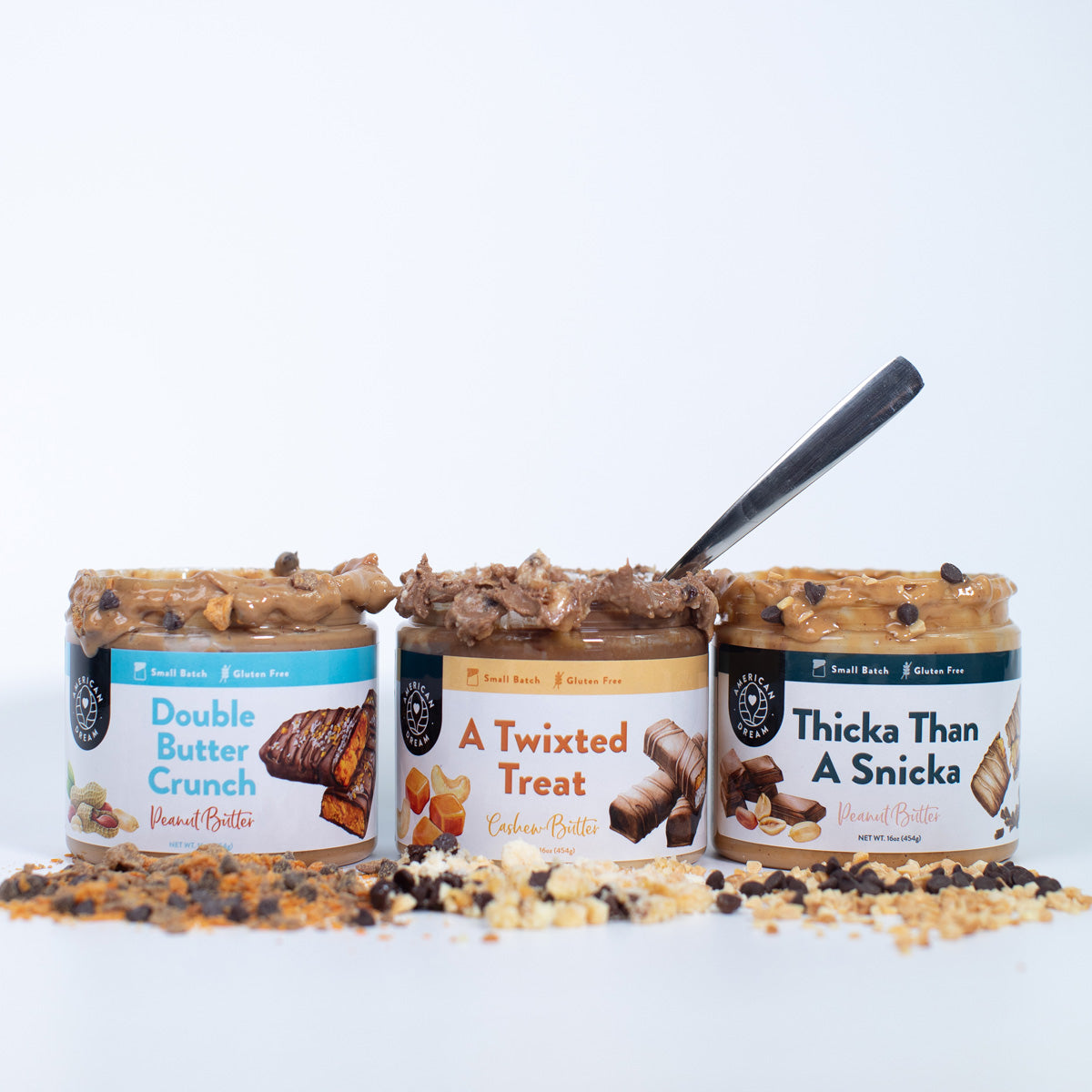
Almond butter has become a popular alternative to traditional peanut butter and other spreads due to its rich flavor and nutritional benefits. Whether you’re spreading it on toast, adding it to smoothies, or baking with it, choosing the right almond butter can make all the difference in your culinary experience. With so many options available, making an informed decision can be daunting. This guide will walk you through the essential factors to consider when selecting the best almond butter for your needs, ensuring you enjoy its delicious taste and nutritional benefits.
Understanding Almond Butter Varieties
Almond butter comes in various forms, each catering to different taste preferences and dietary needs. Here are some common types:
- Natural Almond Butter: Made with just almonds, this variety has a pure, unadulterated flavor.
- Salted vs. Unsalted: Some almond butters contain added salt to enhance flavor, while others are unsalted for those watching their sodium intake.
- Crunchy vs. Smooth: Choose between a crunchy texture with almond pieces or a creamy, smooth consistency.
- Flavored Almond Butter: Variants like chocolate, vanilla, or honey add a sweet twist to the classic almond taste.
What to Look for on the Label
When purchasing almond butter, the label can provide crucial information about the product’s quality and nutritional value. Consider these factors:
- Ingredients: Ideally, the only ingredient should be almonds. Watch out for added sugars, oils, or preservatives.
- Nutritional Information: Check for protein content, healthy fats, and any added nutrients.
- Organic Certification: Organic almond butter is made from almonds grown without synthetic pesticides or fertilizers.
- Allergen Information: Ensure the product is produced in a facility free from cross-contamination if you have nut allergies.
Health Benefits of Almond Butter
The nutritional benefits of almond butter make it a desirable choice for health-conscious individuals. Here are some reasons why it stands out:
- Rich in Protein: Almond butter is a good source of plant-based protein, which supports muscle growth and repair.
- High in Healthy Fats: It contains monounsaturated fats, which are beneficial for heart health.
- Source of Vitamins and Minerals: Almond butter is rich in vitamin E, magnesium, and calcium.
- Low in Carbohydrates: Ideal for those following a low-carb or ketogenic diet.
Choosing the Best Almond Butter for Your Needs
When determining the best almond butter for your needs, consider these factors:
- Dietary Preferences: Whether you prefer organic, non-GMO, or flavored options, there is an almond butter to suit every preference.
- Intended Use: Choose smooth for spreads and crunchy for baking or toppings.
- Price Point: Higher-quality, organic almond butters may be more expensive but offer greater nutritional benefits.
- Sustainability: Consider brands that prioritize sustainable farming and ethical sourcing practices.
Conclusion
Selecting the right almond butter can significantly enhance your culinary experiences and contribute to a healthier lifestyle. By understanding the varieties available, scrutinizing labels, and recognizing the health benefits, you can make an informed choice. Whether you’re looking for a basic spread or a gourmet addition to your meals, there’s an almond butter out there that aligns with your preferences and dietary needs.