
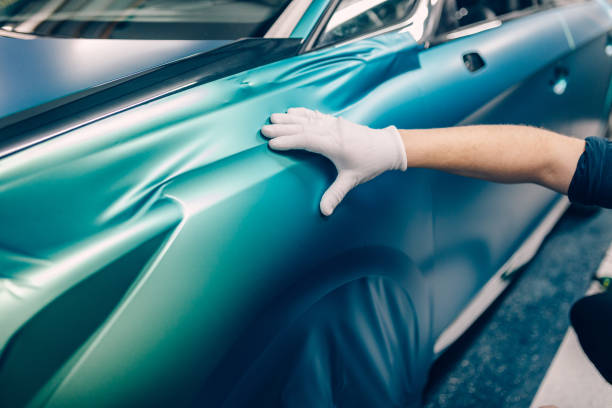
In the ever-evolving world of automotive customization, the use of vinyl wrap for cars has become a popular choice among enthusiasts and everyday drivers alike. This innovative approach to vehicle personalization offers a myriad of benefits, from aesthetic enhancement to protective qualities. Whether you’re looking to make a bold statement with a new color or seeking to protect your vehicle’s original paint, vinyl wraps provide a versatile solution. This article delves into the various aspects of vinyl wraps, exploring their benefits, application process, and how they compare to other protective solutions like peelable spray paint for cars and liquid paint protection film.
Why Choose Vinyl Wraps?
Vinyl wraps have surged in popularity due to their unique ability to transform the appearance of a vehicle without the permanence of a traditional paint job. Here are several reasons why vehicle owners opt for vinyl wraps:
- Cost-Effective: Compared to a full paint job, vinyl wraps are more budget-friendly while offering similar aesthetic results.
- Durability: High-quality vinyl wraps can last anywhere from 5 to 7 years, providing long-lasting color and protection.
- Variety: Available in a plethora of colors, textures, and finishes, vinyl wraps offer endless customization possibilities.
- Protection: Vinyl wraps act as a protective layer against UV rays, road debris, and minor scratches.
- Reversibility: Unlike paint, vinyl wraps can be easily removed, allowing for the restoration of the vehicle’s original appearance.
The Application Process
The application of vinyl wrap is a meticulous process that requires professional expertise to ensure a flawless finish. The process typically involves:
- Surface Preparation: The vehicle’s surface must be thoroughly cleaned and free of any debris or wax.
- Design and Cutting: The vinyl is cut to fit the specific dimensions and contours of the vehicle.
- Application: The vinyl is carefully applied using heat and a squeegee to eliminate air bubbles and ensure a smooth surface.
- Finishing Touches: Edges are trimmed, and the vinyl is sealed to prevent peeling or lifting.
Comparing Vinyl Wraps to Other Solutions
While vinyl wraps offer numerous benefits, other solutions like liquid ppf and peelable spray paints are also gaining traction. Here’s how they compare:
Peelable Spray Paint
- Application: Spray paint is applied as a liquid and dries to form a flexible, peelable layer.
- Protection: Provides a similar level of protection against minor scratches and environmental damage.
- Versatility: Easily removable and changeable, similar to vinyl wraps.
Liquid Paint Protection Film
- Durability: Offers superior protection against chips and scratches, often used in conjunction with vinyl wraps.
- Application: Applied as a liquid and cures to form a protective film over the vehicle.
- Finish: Typically clear, maintaining the vehicle’s original color and finish.
Conclusion
Vinyl wraps for cars stand out as a versatile and economic option for vehicle customization and protection. The flexibility to change designs, combined with the ability to safeguard the vehicle’s exterior, makes vinyl wraps a desirable choice for many car enthusiasts. As automotive customization continues to evolve, products like liquid paint protection films and peelable spray paints also provide alternative solutions for those seeking to enhance and protect their vehicles. Each option has its unique benefits, allowing vehicle owners to select the one that best fits their needs and preferences.