
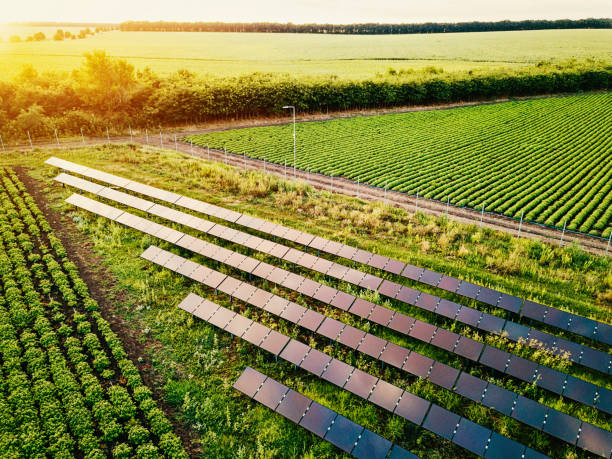
As the world moves towards sustainable energy solutions, the agricultural sector is not left behind. Farms, traditionally reliant on fossil fuels, are increasingly adopting renewable energy sources such as solar panels to enhance operational efficiency. The integration of solar panels into farming operations not only supports environmental conservation but also aids in reducing energy costs and increasing farm productivity. This guide explores the benefits and considerations of agricultural solar panel installation to boost farm efficiency.
Understanding the Benefits of Solar Panels for Farms
Solar panels offer numerous advantages to farming operations:
- Cost Savings: By harnessing solar energy, farms can significantly reduce electricity bills over time, allowing for reinvestment in other areas of the business.
- Energy Independence: Solar panels provide a reliable source of energy, minimizing dependence on grid power and protecting against fluctuating energy prices.
- Environmental Impact: Utilizing solar energy reduces carbon footprints, contributing to a greener planet and enhancing the farm?s sustainability credentials.
- Increased Property Value: Solar installations may increase the value of farm properties, making them more attractive to potential buyers or investors.
Key Considerations for Solar Panel Installation on Farms
When considering the installation of a solar panel for farm use, several factors should be taken into account:
Site Assessment and Feasibility
A thorough site assessment is crucial to determine the suitability of solar panels. Factors to consider include:
- Available Space: Farms usually have extensive space, but it is essential to identify the optimal location with maximum sunlight exposure.
- Structural Integrity: Roofs or structures intended for panel installation should be evaluated for their ability to support the panels.
- Shading: Assess potential shading from nearby structures or vegetation that could affect solar panel efficiency.
Financial Incentives and Return on Investment (ROI)
Evaluate available financial incentives such as tax credits, grants, or subsidies. Understanding these can significantly offset initial costs and impact the ROI. The long-term savings on energy bills should also be factored into the decision-making process.
Steps to Implementing Solar Panels on Farms
Implementing agricultural solar panel systems involves several steps:
1. Planning and Design
Begin with a detailed plan and design tailored to the specific needs of the farm. Collaborate with experienced professionals to ensure optimal system performance.
2. Selection of Equipment
Choose high-quality solar panels and inverters with reliable warranties. Consider the efficiency ratings and durability of the equipment, especially in farming environments prone to dust and animal interference.
3. Installation
Hire certified installers with expertise in agricultural settings to ensure safe and compliant installation. The installation phase is critical to the system?s long-term success.
4. Monitoring and Maintenance
Implement a monitoring system to track energy production and system performance. Regular maintenance is essential to ensure panels operate at peak efficiency and to address any issues promptly.
Conclusion
Transitioning to solar energy is a strategic move for farms aiming to enhance efficiency and sustainability. With careful planning and execution, solar panels can provide a reliable and cost-effective energy solution tailored to the unique needs of agricultural operations. As the industry continues to evolve, embracing solar technology positions farms at the forefront of sustainable farming practices, making a positive impact on both the environment and the bottom line.