
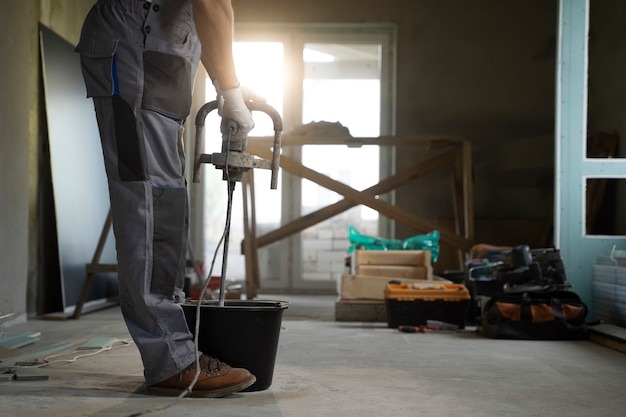
Concrete foundations are crucial to the structural integrity of any building, ensuring stability and safety over time. However, even the most robust concrete can develop cracks due to various reasons such as settling, temperature fluctuations, and moisture. Addressing these cracks promptly is essential to prevent further damage that could compromise the foundation’s stability. Implementing seamless repair methods not only restores the foundation’s integrity but also extends the lifespan of the structure. This article delves into the strategies and considerations involved in effective concrete foundation crack repair.
Understanding the Causes of Concrete Cracks
Before embarking on repair, understanding the underlying causes of concrete cracks is vital. Common causes include:
- Soil movement or settling beneath the foundation
- Thermal expansion and contraction
- Excessive moisture or inadequate drainage
- Poor construction practices
Each of these factors can contribute to cracks, which, if left unattended, can lead to significant structural issues. Discover expert strategies here to tackle these challenges effectively.
Choosing the Right Repair Method
Selecting the appropriate method for concrete foundation crack repair depends on various factors such as the type and severity of the crack, the foundation’s age, and environmental conditions. Some common repair methods include:
Epoxy Injections
Epoxy injections are ideal for repairing non-moving cracks in concrete walls and floors. This method involves injecting a high-strength epoxy resin into the crack, which hardens to restore the structural integrity of the concrete. This technique is effective for narrow to medium-width cracks.
Polyurethane Foam
For cracks in wet or actively leaking areas, polyurethane foam injections offer an excellent solution. The foam expands to fill the crack, creating a water-resistant seal. This method is particularly useful for sealing basement walls and floors subject to water ingress.
Carbon Fiber Reinforcement
In cases of structural cracks where additional support is necessary, carbon fiber reinforcement strips can be applied. These strips are bonded to the surface to provide added tensile strength. Learn about our tailored solutions for integrating carbon fiber into foundation repair plans.
Preventive Measures for Long-term Durability
Preventing future cracks is as important as repairing existing ones. By implementing preventive measures, the longevity and durability of the foundation can be significantly enhanced. Consider the following strategies:
- Ensuring proper drainage around the foundation to prevent water accumulation
- Regularly inspecting and maintaining gutter systems
- Controlling vegetation growth near the foundation to minimize root intrusion
- Implementing soil stabilization techniques where necessary
For more comprehensive preventive strategies, explore advanced guides and tips to ensure a solid foundation for years to come.
Conclusion: Ensuring Structural Integrity
Concrete foundation crack repair is an essential aspect of maintaining the structural integrity of any building. By understanding the causes, selecting appropriate repair methods, and implementing preventive measures, it is possible to achieve a seamless and durable repair. Whether dealing with minor cracks or significant structural issues, professional guidance and advanced techniques can make a substantial difference. Find out more about this approach to ensure a reliable and long-lasting foundation.