
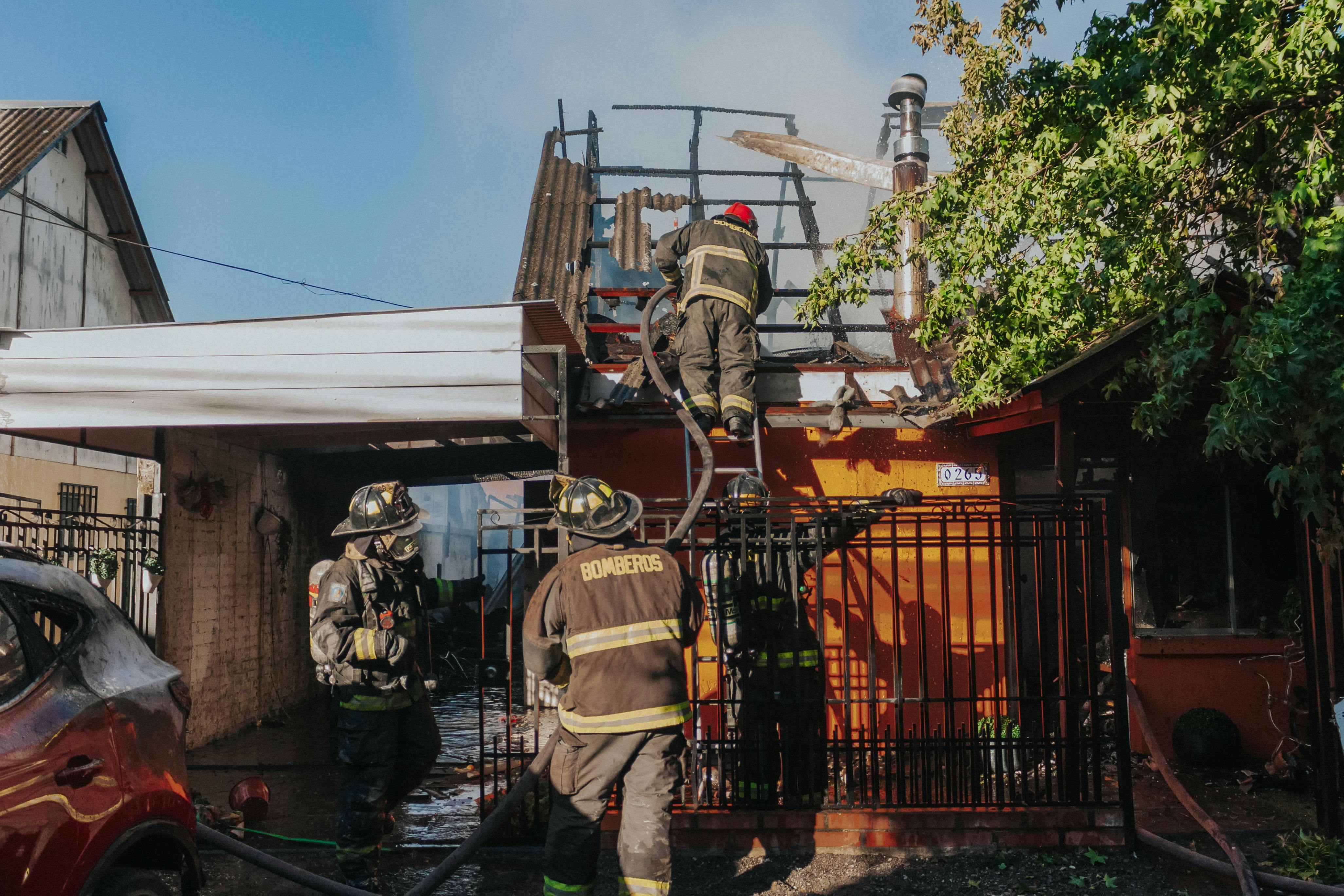
In the aftermath of a fire, assessing the extent of damage becomes a critical step in the recovery process. A comprehensive fire damage assessment not only evaluates the visible damage but also identifies potential hidden issues that could affect the safety and integrity of the property. This process requires a detailed and systematic approach, ensuring that all aspects of the damage are accounted for and that any necessary steps for remediation are identified promptly. For extensive guidance on how to manage fire damage effectively, discover expert strategies here.
The Importance of a Thorough Fire Damage Assessment
Fire damage can manifest in numerous ways, from structural damage to the presence of harmful residues. A thorough assessment helps in:
- Identifying all affected areas and components.
- Determining the severity and type of damage.
- Evaluating safety hazards, such as weakened structures or toxic fumes.
- Formulating a detailed remediation plan.
By ensuring that every facet of damage is recognized, property owners can make informed decisions about repairs and restorations. To understand more about the tailored solutions available, learn about our tailored solutions.
Steps Involved in Fire Damage Assessment
Initial Inspection
The initial step involves a comprehensive walkthrough of the affected property. Professionals look for:
- Visible structural damage and potential risks.
- Signs of smoke and soot contamination.
- Water damage caused by extinguishing efforts.
These observations form the foundation of the assessment, guiding further exploration into less obvious areas of concern. Explore advanced guides and tips for conducting effective initial inspections.
Detailed Damage Analysis
After the initial inspection, a more detailed analysis is required. This includes:
- Structural assessments to evaluate the integrity of building materials.
- Air quality testing to detect harmful contaminants.
- Electrical and plumbing inspections to ensure system safety.
- Inventory assessments to document damaged and salvageable items.
Such a comprehensive evaluation ensures that no aspect of the damage is overlooked, facilitating a more effective remediation strategy.
Key Considerations for Effective Fire Damage Assessment
Effective fire damage assessment requires attention to several key considerations:
- Safety First: Always prioritize the safety of occupants and assessment personnel.
- Professional Expertise: Engage professionals with the necessary expertise and certifications.
- Use of Advanced Tools: Utilize modern tools and technology for accurate detection and analysis.
- Communication: Maintain clear communication with all stakeholders throughout the process.
For more details on this comprehensive approach, find out more about this approach.
Conclusion
A comprehensive fire damage assessment is crucial in the path to recovery after a fire incident. By understanding the full scope of the damage and implementing a strategic plan for restoration, property owners can ensure a safe and effective recovery process. Access to professional resources and guidance can significantly enhance the outcomes of such assessments, ensuring that all necessary steps are taken to restore the property to its pre-loss condition. For extensive support and specialized services, consider reviewing the resources available through expert platforms.