
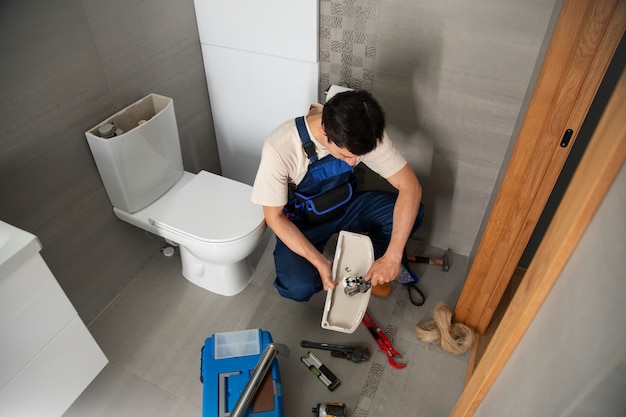
When faced with a water emergency, whether due to natural disasters, plumbing failures, or unexpected leaks, immediate action is crucial to mitigate damage and restore normalcy. Water can infiltrate the most unexpected areas, leading to structural damage and potential health hazards. Hence, the importance of expert emergency water removal services cannot be overstated. This article delves into the facets of professional water removal services, offering insights into why they are indispensable and how they can be effectively accessed.
Understanding the Importance of Professional Water Removal
Water damage can lead to numerous issues, including mold growth, structural damage, and electrical hazards. Professional water removal services are equipped with the tools and expertise necessary to handle such emergencies efficiently and effectively.
- Timely Response: Quick intervention is crucial. Professionals are available round-the-clock to respond to emergencies, minimizing potential damage.
- Advanced Equipment: Specialized equipment ensures thorough water extraction and effective drying, preventing further damage.
- Expert Assessment: Experts provide a comprehensive assessment of the damage and propose a tailored action plan.
- Preventive Measures: Beyond immediate removal, professionals implement strategies to prevent future occurrences.
Discover expert strategies here.
Components of Effective Water Removal Services
Initial Assessment and Inspection
The first step in any water removal process is a thorough inspection and assessment. This involves identifying the source of the water, the extent of the damage, and any potential hazards.
- Source Identification: Pinpointing the water source is essential to stop further water intrusion.
- Damage Evaluation: Assessing the extent of water damage helps in planning the restoration process effectively.
- Hazard Identification: Recognizing potential dangers, such as mold or structural instability, is crucial for safety.
Learn about our tailored solutions.
Water Extraction Techniques
Professional services employ various advanced techniques to ensure that water extraction is thorough and comprehensive.
- Pump Systems: High-capacity pumps are used to remove large volumes of water quickly.
- Wet/Dry Vacuums: These are employed for smaller areas and to remove residual water.
- Subsurface Extraction Tools: Designed to remove water from beneath surfaces, these tools ensure thorough drying.
Explore advanced guides and tips.
Drying and Dehumidification
Once the water is extracted, the next critical step is drying and dehumidification to prevent mold growth and further damage.
- Industrial-Grade Dehumidifiers: These machines reduce humidity levels and accelerate the drying process.
- Air Movers: High-speed fans circulate air to enhance evaporation and drying.
- Moisture Monitoring: Continuous monitoring ensures that the drying process is effective and complete.
Find out more about this approach.
Choosing the Right Emergency Water Removal Service
With numerous options available, selecting the right service can be daunting. Here are some tips to ensure a reliable choice:
- Experience and Expertise: Opt for services with a proven track record and extensive experience in water damage restoration.
- Availability: Ensure that the service provides 24/7 availability to address emergencies promptly.
- Comprehensive Services: A service that offers a full range of restoration options, from extraction to drying, is preferable.
- Customer Reviews and Testimonials: Evaluating past client feedback can provide insights into the reliability and efficiency of the service.
In conclusion, professional emergency water removal services are integral to managing water damage effectively. By understanding their importance and the components of their services, individuals can make informed decisions in selecting the right provider. This proactive approach not only mitigates immediate damage but also ensures long-term protection against potential hazards.