
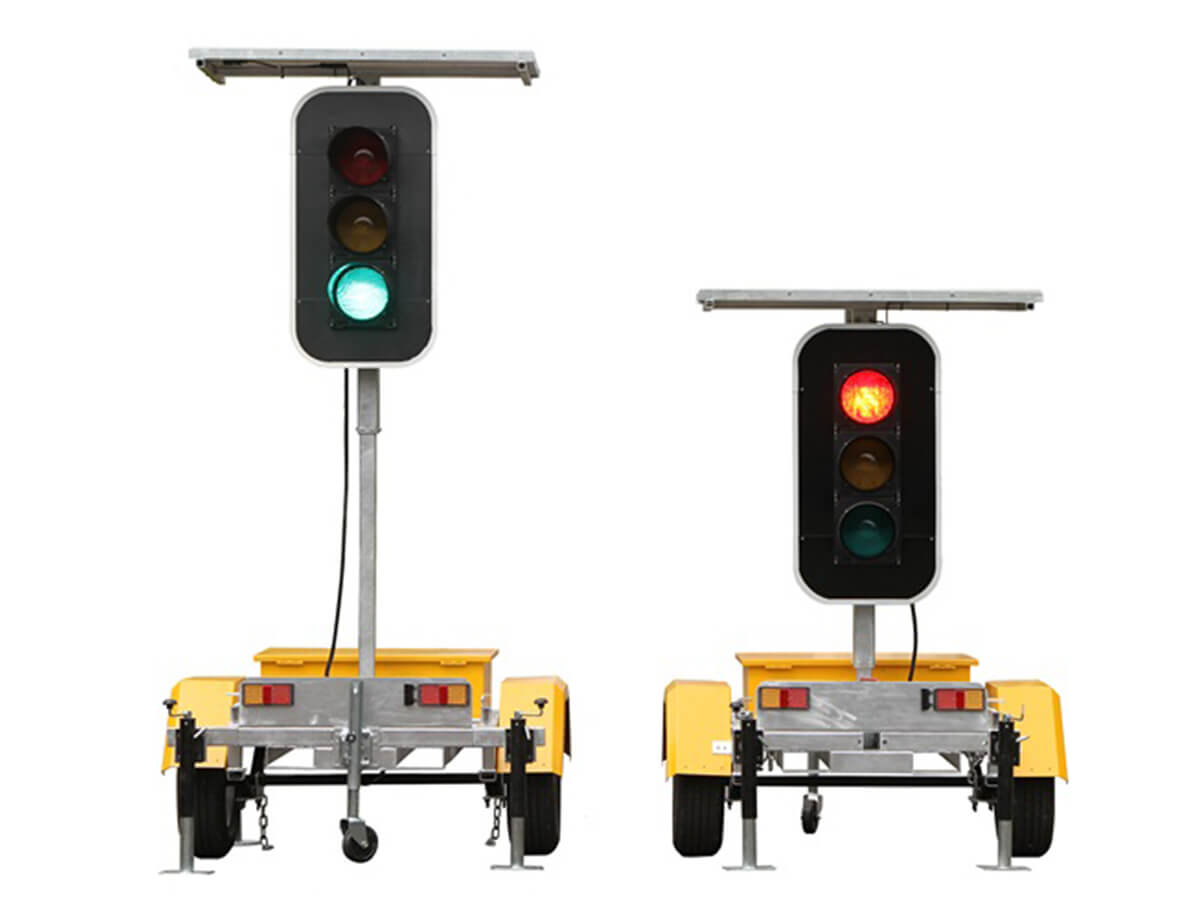
Managing traffic flow during roadwork is a critical aspect of maintaining both safety and efficiency. The use of portable traffic signal systems has become increasingly popular for their convenience and reliability. These systems offer a versatile solution for temporary roadwork, allowing for better traffic management without the need for permanent infrastructure changes. By understanding the benefits of portable traffic signal lights, roadwork planners can make informed decisions that enhance both safety and operational efficiency.
Enhanced Safety and Visibility
Safety is paramount in any roadwork situation, and portable traffic signal lights serve as a crucial component in ensuring it. These systems provide:
- Highly visible signals that can be seen from a distance, reducing the risk of accidents.
- Consistent and reliable operation, even in adverse weather conditions.
- Advanced features such as LED lights, which are brighter and more energy-efficient than traditional bulbs.
The use of temporary traffic lights ensures that drivers are well-informed of changing traffic patterns, thereby reducing confusion and enhancing safety.
Flexibility and Ease of Deployment
One of the main advantages of portable traffic signal systems is their flexibility. They can be easily transported and set up at various locations, making them ideal for temporary roadwork. Key benefits include:
- Quick setup and dismantling, minimizing disruption to traffic flow.
- Ability to adapt to different road conditions and layouts.
- Remote control features that allow operators to adjust signals as needed.
The ease of deployment associated with portable traffic signal lights makes them a preferred choice for dynamic roadwork environments where conditions can change rapidly.
Cost-Effectiveness
Investing in portable traffic signal systems can lead to significant cost savings in both the short and long term. These savings arise from:
- Elimination of the need for costly infrastructure installation.
- Reduced labor costs due to faster setup and teardown.
- Lower maintenance expenses compared to permanent traffic signals.
Utilizing a temporary traffic signal allows for efficient allocation of resources, ensuring that budgets are optimized while maintaining high safety standards.
Environmental Benefits
In today’s world, sustainability is a crucial consideration in any project. Portable traffic signal lights contribute to environmental conservation through:
- Use of energy-efficient technology, such as solar power, to reduce carbon footprint.
- Minimized waste due to reusable components and materials.
- Lower energy consumption compared to traditional lighting systems.
By opting for eco-friendly solutions, roadwork projects can align with broader environmental goals, contributing to a more sustainable future.
Conclusion
The deployment of portable traffic signal systems during temporary roadwork offers a multitude of benefits, including enhanced safety, flexibility, cost savings, and environmental advantages. By incorporating portable traffic signal technology, roadwork planners can efficiently manage traffic flow while minimizing disruption and maximizing safety. As infrastructure projects continue to evolve, the importance of adaptable, reliable traffic management solutions cannot be overstated.